
- Home/
- Buy Doxycycline at Low Price in Australia Online
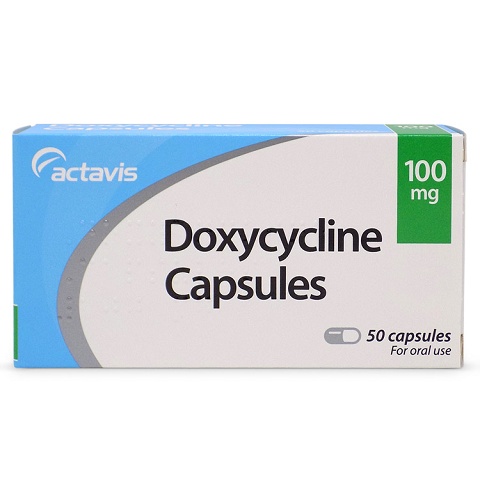
| Name of medicine | Doxycycline |
|---|---|
| Core ingredient | Doxycycline |
| Therapeutic use | Broad-spectrum antibiotic for bacterial infections |
| Ways it is supplied | 50 mg, 100 mg, 200 mg tablets and capsules |
| How fast it acts | Noticeable improvement in 1–3 days after starting |
| How long it remains effective | Typically 12–24 hours per dose |
| Food and drink compatibility | Best taken with a full glass of water; avoid dairy close to dosing |
| Prescription in Australia? | Prescription required — regulated by the Therapeutic Goods Administration (TGA) |
Doxycycline: What You Need to Know in Australia
Doxycycline is a prescription-only antibiotic used in Australia to treat a wide variety of bacterial infections, ranging from respiratory and urinary tract infections to acne and some sexually transmitted infections. It is legally available through pharmacies across Australia with a script from a licensed healthcare provider.
Bacterial Infections: A Common and Treatable Challenge
Bacterial infections affect millions of Australians every year, often causing conditions such as bronchitis, sinusitis, urinary tract infections, and skin problems like acne. According to the Australian Institute of Health and Welfare, in 2021, respiratory infections alone accounted for over 2.6 million general practitioner visits nationwide. The good news is that most bacterial infections are both common and treatable, especially when addressed early with the right antibiotic. The need for effective, tailored antibiotics like doxycycline is an everyday reality for many — and you are far from alone in seeking a solution.
How Doxycycline Works Against Infection
Doxycycline tackles bacterial infections by blocking the ability of bacteria to produce essential proteins they need to grow and multiply. On a practical level, when you take doxycycline, the medication circulates in your bloodstream and targets bacteria wherever they are active in your body. This action slows the infection’s advance and gives your immune system the upper hand to clear the infection out. Most people start to notice symptom improvement within one to three days, though the full course must be completed to prevent the bacteria from returning or becoming resistant. Unlike some older antibiotics, doxycycline covers a broad range of bacteria — making it particularly valuable when the exact bacterial cause isn’t immediately known.
Is Doxycycline the Right Choice for You?
| Your Situation | Is Doxycycline Suitable? | Why or Why Not? |
|---|---|---|
| You have been diagnosed with a chest, urinary tract, or skin infection, and your doctor recommended doxycycline | Yes | It is effective for these infections and is often the first-line or a recommended option |
| You have previously experienced severe side effects with doxycycline or other tetracyclines | No | Risk of recurrence or severe allergic reaction — an alternative antibiotic should be considered |
| You are pregnant or breastfeeding | Generally No | Doxycycline can affect fetal bone and tooth development; safer alternatives are preferred |
| You need malaria prevention for travel to certain regions | Yes (if recommended by your doctor) | Doxycycline is approved for malaria prophylaxis in specific situations |
| You have a viral infection (e.g., cold or flu) | No | Antibiotics do not treat viral illnesses; doxycycline will not help |
Selecting an antibiotic is not a “one size fits all” decision. Your health history, current medications, allergies, and the specific infection you have all play a role. If any uncertainty remains, it is essential to consult a doctor or pharmacist before starting treatment.
How to Use Doxycycline in Real Life
- Timing and Food: Take doxycycline at the same time each day, preferably with a full glass of water. To reduce stomach irritation, you can take it with food — but avoid dairy products within a couple of hours of your dose, as calcium can interfere with how well the medication is absorbed.
- Missed Dose: If you forget a dose, take it as soon as you remember. If it’s almost time for your next dose, skip the missed one — do not double up.
- What to Expect: Some mild stomach upset, nausea, or sensitivity to sunlight can occur. These usually settle as your body adjusts.
- If Not Working: If you do not notice any improvement within 3–5 days (or if symptoms worsen), contact your healthcare provider. The bacteria could be resistant, or another cause may be at play.
- Complete the Course: Even if you feel better, finish the entire course prescribed, unless told otherwise. Stopping early can allow bacteria to recover and become more difficult to treat.
- Storage: Keep doxycycline in its original packaging, away from direct light, heat, and moisture.
If you have specific concerns or unique circumstances (such as other chronic conditions), speak to your pharmacist or doctor for tailored advice.
When Doxycycline Is Not Appropriate (Contraindications)
- Allergy to tetracyclines: Do not use doxycycline if you have had allergic reactions to this group of antibiotics, as the risk of severe allergic events can be serious.
- Pregnancy and breastfeeding: Doxycycline is generally avoided because it can interfere with fetal or infant bone and tooth formation, leading to long-term complications.
- Children under 8 years: Not recommended, as it can cause permanent tooth discolouration and affect bone growth.
- Severe liver impairment: Doxycycline is mainly processed by the liver; if you have significant liver disease, the medication may accumulate and lead to toxicity.
These are the main situations where doxycycline is unsuitable. If you are unsure if any apply to you, consult your prescriber before starting the medication.
Possible Side Effects: What Is Normal and What Is Not
- Common and usually mild: Nausea, slight stomach pain, diarrhoea, and increased sensitivity to sunlight (sunburn can happen more easily). Most people tolerate doxycycline well, and these effects are generally short-lived.
- Less common but important: Difficulty swallowing, severe headaches, vision changes, or persistent vomiting. If these occur, contact your doctor as soon as possible.
- Rare but serious: Signs of a severe allergic reaction — such as swelling of the face or throat, difficulty breathing, or a widespread rash — require emergency care. In Australia, call Triple Zero (000) if you or someone with you experiences these symptoms.
If you notice anything out of the ordinary or symptoms that concern you, err on the side of caution and seek medical advice promptly.
Interactions with Other Medications and Foods
Doxycycline can interact with a range of medicines and supplements. Antacids, iron, calcium, some multivitamins, and certain anti-epileptic drugs can reduce its effectiveness by blocking absorption. If you are taking the oral contraceptive pill, be aware that although evidence is mixed, there is a theoretical risk of reduced contraceptive effectiveness; consider using additional protection while on antibiotics. For best results, separate doxycycline from antacids, iron, and calcium-rich foods by at least two hours. Always provide your doctor or pharmacist with a full list of your current medications and supplements before starting doxycycline.
How Does Doxycycline Compare? Alternatives in the Australian Context
| Antibiotic | When It Is Preferred | Main Limitations |
|---|---|---|
| Doxycycline | Respiratory, urinary tract, skin infections, certain sexually transmitted infections, malaria prevention | Not suitable in pregnancy, young children, or with allergy to tetracyclines |
| Amoxicillin | First-line for many respiratory and ear infections; suitable in pregnancy | Not effective against all organisms; penicillin allergies are common |
| Azithromycin | Used for respiratory and some sexually transmitted infections; once-daily dosing | More expensive; may cause heart rhythm changes in some patients |
| Trimethoprim | Commonly used for urinary tract infections | Not effective for many other infection types; can cause allergic reactions |
Doxycycline stands out for its broad spectrum and its role in certain infections where resistance to other antibiotics is a concern. However, in pregnancy, young children, or where there is a known allergy, alternatives are preferred. Your doctor selects the antibiotic based on your infection, health history, and local resistance patterns.
What You Will Actually Pay for Doxycycline in Australia
| Cost Item | Amount (AUD) | Details |
|---|---|---|
| Doctor consultation | $40 – $90 | Typical GP visit for prescription (bulk billing may apply in some clinics) |
| Prescription fee | $0 – $20 | Some clinics or telehealth platforms may charge for scripts |
| Doxycycline medication | $6 – $25 | 30 tablets (varies by pharmacy and brand; lower with concession card) |
| Delivery (if online) | $0 – $15 | Standard vs express or remote area delivery |
| Total | $6 – $150 | Lowest to highest scenario, including all steps |
You cannot purchase doxycycline without a prescription in Australia. Some online platforms offer telehealth consultations, where you can be evaluated remotely, receive a script, and have the medication delivered to your home. Always confirm that the service is registered and that products are dispensed from an Australian-licensed pharmacy.
Final Clarifications: Common Concerns About Doxycycline
- How do I know if my pharmacy is legitimate? All pharmacies in Australia must be registered with the Pharmacy Board of Australia. Look for the registration number and never purchase from overseas sites that do not require a prescription.
- Can I stop taking doxycycline once I feel better? No — complete the prescribed course, unless advised otherwise by your doctor, to prevent bacterial resistance and relapse.
- Is there a risk of counterfeit doxycycline? In Australia, the risk is low when buying from registered pharmacies. If you have any doubts about a product’s authenticity, consult your pharmacist immediately.
- What if I have more questions about side effects or interactions? Your GP or pharmacist is your best source for personal advice. They have access to the most up-to-date information and can advise based on your health profile.

