
- Home/
- Buy Lasix Without Prescription in Australia Online
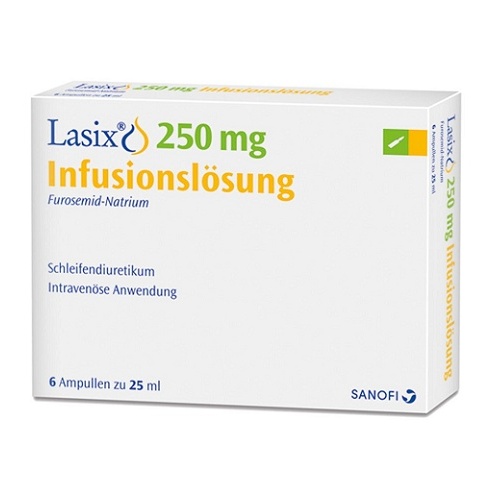
Lasix (Furosemide) in Australia: Comprehensive Guide for Safe and Effective Use
Can I Get Lasix Without a Prescription in Australia?
No, Lasix (furosemide) cannot be legally obtained without a prescription in Australia. It is classified as a Schedule 4 (Prescription Only Medicine) under the Therapeutic Goods Administration (TGA). You must have a valid script from an Australian registered doctor to purchase Lasix at any community pharmacy, including online pharmacies.
Key Takeaways: Lasix at a Glance
- Active Ingredient: Furosemide
- Primary Use: Treatment of edema (fluid retention) due to heart failure, liver disease, kidney disorders; also used for high blood pressure
- Onset of Action: Within 1 hour (tablets), peak effect in 1–2 hours
- Prescription Status (Australia): Prescription only; illegal to buy without a script
- Absolute Contraindications: Anuria (no urine output), severe dehydration, known allergy to furosemide or sulfonamides
- Side Effects: Commonly dehydration, low potassium, dizziness; rare but serious: hearing loss, severe skin reactions
- Australian Price Range (2026): AUD $10–25 per 30 tablets (20–40 mg); actual price varies by pharmacy and insurance
- Availability: Brand-name Lasix and multiple generics; both require prescription
How Does Lasix Work? The Science and a Simple Analogy
Lasix is a loop diuretic, meaning it acts on the thick ascending limb of the loop of Henle in the kidney. It inhibits the sodium-potassium-chloride cotransporter (NKCC2), reducing the reabsorption of sodium, chloride, and potassium. This disruption leads to a marked increase in the excretion of salt and water into the urine, effectively reducing fluid overload in conditions like heart failure or advanced kidney disease.
Metaphor: Imagine the kidney as a recycling plant for water in your body. Lasix shuts off one of the main pumps, so water can’t be recycled and is flushed out instead. That’s why you urinate more after taking it and fluid retention eases.
Myth vs Reality: Myth: “Lasix works instantly for everyone.” Reality: Its effect depends on kidney function and the underlying cause of fluid retention. In severe kidney impairment, the action may be delayed or diminished.
Clinical note: Lasix does not treat the root cause of edema, only the symptom of fluid build-up. Ongoing management of heart, liver, or kidney disease is still essential.
Lasix Dosage and Administration: What You Need to Know (Table + Commentary)
| Condition | Typical Starting Dose | Max Daily Dose | Comments |
|---|---|---|---|
| Edema (Adults) | 20–40 mg once daily | 600 mg (specialist supervision) | Adjust as needed; higher doses for severe cases |
| Hypertension (Adults) | 20–40 mg twice daily | 80 mg (typical) | Not usually first-line for high blood pressure |
| Children | 1–2 mg/kg (max 6 mg/kg) | Depends on weight | Paediatric use only under specialist care |
| Elderly | Start at lower end (20 mg) | Use lowest effective | Monitor for dehydration and electrolyte imbalance |
Commentary: Never exceed prescribed doses. The lowest effective dose is always preferred. Dose adjustments are required for the elderly, those with kidney or liver impairment, and other specific groups. Lasix tablets are scored and may be split if necessary, but always check with your pharmacist as some generics may differ.
Time to Peak Effect: 1–2 hours after oral dose; diuretic action may last 6–8 hours. Take in the morning to avoid sleep disruption due to nighttime urination.
Australian guideline: Always follow your prescriber’s instructions and attend follow-up appointments for blood tests and review.
Taking Lasix: Food, Alcohol, and Lifestyle Considerations (Q&A)
- Should I take Lasix with food?
- Lasix can be taken with or without food. However, food may delay absorption slightly, so if rapid effect is needed, take on an empty stomach as advised by your doctor.
- Can I drink alcohol while on Lasix?
- Alcohol consumption is not recommended. Both Lasix and alcohol lower blood pressure and can cause dehydration, dizziness, and fainting. Occasional light drinking may be permitted if approved by your doctor, but always exercise caution.
- Are there foods or drinks to avoid?
- Avoid excessive salt, as it can reduce the effectiveness of Lasix. Be cautious with potassium-rich foods if also taking potassium supplements, as potassium levels may rise or fall unpredictably.
- Is grapefruit juice a concern?
- No clinically significant interaction with grapefruit juice has been noted for Lasix, unlike some cardiac medicines.
- What about caffeine?
- Moderate caffeine is generally safe but may increase urination further. Monitor your body’s response.
Who Should Not Take Lasix? Contraindications and Cautions (Expert Commentary)
Absolute contraindications:
- Anuria (no urine output at all)
- Severe hypokalaemia (very low potassium) or severe hyponatraemia (low sodium)
- Hypovolaemia or severe dehydration
- Allergy to furosemide or sulfonamide medicines
- Hepatic coma (in cases of advanced liver disease)
Relative contraindications (use with caution):
- Diabetes mellitus (risk of blood sugar fluctuation)
- Gout (may worsen uric acid levels)
- Severe kidney impairment (effectiveness may be reduced)
- Low blood pressure (risk of further drop)
- Pregnancy and breastfeeding (only on specialist advice)
- Hearing impairment (high doses or existing hearing problems)
Drug interactions (examples): Concomitant use with lithium, aminoglycoside antibiotics (e.g., gentamicin), digoxin, or other antihypertensives should be monitored closely due to risk of toxicity or exaggerated effects.
Why? Lasix can cause rapid fluid loss and electrolyte shifts, which may trigger complications in people with the above conditions. Always discuss your full medical history with your doctor before starting.
What Side Effects Are Most Common with Lasix? (Mixed: Table + Patient Experience)
| Frequency | Side Effect | Description / Action |
|---|---|---|
| Very common (>1 in 10) | Increased urination, dehydration, low potassium (hypokalaemia) | Monitor fluids and electrolytes; contact doctor if weakness or palpitations |
| Common (1 in 10 – 1 in 100) | Dizziness, low blood pressure (hypotension), muscle cramps | Stand up slowly; seek review if persistent |
| Uncommon (1 in 100 – 1 in 1,000) | Temporary increase in blood sugar, gout flare, hearing changes | Report to doctor; adjust dose if needed |
| Rare (<1 in 1,000) | Hearing loss (especially high IV doses), severe rash (Stevens-Johnson syndrome), angioedema | Seek urgent medical help |
Patient quote: “The first few days I was running to the loo constantly. Felt a bit dizzy at times, but the swelling in my ankles improved so much.” — Patient from Perth, WA.
What to do if you have side effects: For mild symptoms, report them promptly at your next checkup. For severe or allergic reactions (rash, difficulty breathing, hearing loss), stop Lasix and seek immediate medical attention.
Lasix vs Alternatives: How Does It Compare? (Comparison Table)
| Medicine | Onset (Oral) | Peak Effect | Duration | Electrolyte Loss | Typical Price (AUD) |
|---|---|---|---|---|---|
| Lasix (Furosemide) | 30–60 min | 1–2 h | 6–8 h | High (potassium, sodium) | $10–25/30 tablets |
| Bumetanide | 30–60 min | 1–2 h | 4–6 h | High | Similar |
| Hydrochlorothiazide | 2 h | 4 h | 12–18 h | Medium | $8–15/30 tablets |
| Spironolactone | 2–4 h | 6 h | >24 h | Low (potassium-sparing) | $15–30/30 tablets |
Bottom line: Lasix is generally chosen for rapid, significant fluid removal. Alternatives like spironolactone may be preferred in certain types of fluid overload (e.g., cirrhosis) or to reduce potassium loss. Your doctor will tailor therapy to your needs.
Key Characteristics of Lasix: Quick Reference Table
| Parameter | Value |
|---|---|
| Active Ingredient | Furosemide |
| Dosage Forms | Tablets (20 mg, 40 mg), Oral Solution, Injectable (hospital use) |
| Bioavailability | 47–70% (oral) |
| Metabolism | Primarily in the kidney; some hepatic (liver) metabolism |
| Elimination Half-Life | 30–120 minutes (may be prolonged in kidney/liver impairment) |
| Australian Regulatory Status | Prescription Only, TGA Schedule 4 |
| Manufacturer | Sanofi-Aventis (brand), plus several generic companies |
How to Obtain Lasix Legally in Australia: Step-by-Step Guide (Step-by-Step)
- Consultation with a Doctor: Book an appointment with your GP or specialist (cardiologist, nephrologist, or endocrinologist) in your city. Telehealth consultations are also available in most Australian states.
- Medical Assessment: Your doctor will assess the cause of your edema. Blood tests, kidney/liver function, and blood pressure monitoring are standard.
- Prescription Issued: If indicated, your doctor will provide an electronic or paper script for Lasix or its generic equivalent.
- Fill at a Pharmacy: Present your script at a licensed community pharmacy or a TGA-approved online pharmacy. Never purchase from unregulated overseas websites.
- Follow-up: Regular check-ups are essential for lab monitoring and dose adjustment. Bulk-billing may be available for eligible patients on Medicare.
Tip: Always keep your script and medicine in original packaging for safety and verification.
How to Spot Genuine Lasix and Avoid Counterfeit Medicines (Prose)
The risk of counterfeit medicines in Australia is low if you use licensed pharmacies. However, fake products may exist on some international websites. Here’s how to check:
- Packaging: Genuine Lasix comes in an official Sanofi-Aventis or TGA-approved generic box, with a unique batch number, expiry date, and clear Australian labelling.
- Tablet appearance: Lasix tablets are white, round, scored, and may be embossed with “Lasix” and the dose. Generic tablets may differ in shape or marking, but must match the description in the Consumer Medicine Information (CMI) leaflet.
- Price: If the price is dramatically lower than at Australian pharmacies, be suspicious.
- Pharmacy verification: Only buy from pharmacies with a physical address in Australia and a TGA registration. Look for the Australian Pharmacy Guild logo or check on the TGA website.
- QR codes / holograms: Some genuine packs have security features. If present, scan to verify authenticity.
Generics: TGA-approved generics are bioequivalent to brand-name Lasix, but may vary in tablet size, shape, or inactive ingredients (see below for more).
Lasix Compatibility with Other Medicines: Quick Check Table
| Medicine/Product | Combine? | Potential Effect |
|---|---|---|
| ACE inhibitors (e.g., perindopril) | Yes, with caution | May potentiate low blood pressure; monitor renal function |
| Potassium supplements | Yes, often required | Prevents hypokalaemia; monitor levels |
| NSAIDs (ibuprofen, diclofenac) | Caution | Reduces Lasix effect, may harm kidneys |
| Lithium | AVOID | May cause lithium toxicity |
| Warfarin | Yes | No direct interaction, but monitor INR |
| Alcohol | Not recommended | Increases risk of dehydration, low blood pressure |
Always inform your doctor and pharmacist of all medicines and supplements you use.
What To Do in Case of Lasix Overdose?
- Stop taking Lasix immediately.
- Call Triple Zero (000) for emergency medical help in Australia, especially if you feel faint, confused, or unwell.
- Provide details: Let emergency staff know the dose and time taken, and show them the medication packaging.
- Do not attempt to self-treat dehydration or electrolyte imbalance.
Common signs of overdose: Severe dehydration, confusion, rapid heartbeat, collapse, muscle weakness, hearing changes.
Special Precautions: Lasix in Specific Patient Groups (Prose)
Elderly: Greater risk of dehydration, falls, and electrolyte imbalance. Lower starting doses and close monitoring are recommended.
Pregnant and breastfeeding women: Lasix should only be used on strict specialist advice. There is a potential risk to the fetus or newborn.
Chronic kidney or liver disease: Effects may be unpredictable; specialist oversight is needed.
Driving and machinery: Lasix may cause dizziness or tiredness, especially in the first few days or after dose increases. Do not drive or operate heavy machinery until you know how it affects you.
Fertility: No direct effect reported, but severe electrolyte disturbance may indirectly impact reproductive health.
Original Lasix vs Generics: What’s the Difference?
Original Lasix (by Sanofi-Aventis) and generic furosemide tablets are considered therapeutically equivalent by the TGA. The active ingredient, dosage strength, and efficacy are the same.
- Excipients: Generic brands may contain different inactive ingredients (e.g., lactose, dyes, starches) which could trigger allergies in sensitive individuals. Always check with your pharmacist if you have allergies.
- Cost: Generics are usually cheaper; both are subsidised under the Pharmaceutical Benefits Scheme (PBS) for eligible patients.
- Appearance: Packaging, shape, and pill markings may differ, but effectiveness does not.
- Quality: Both must meet stringent Australian standards. Counterfeit risk is negligible at licensed pharmacies.
Bottom line: Choose generics to save money unless you have a known allergy to a specific excipient.
Managing Edema: Emotional Support and Next Steps
Living with chronic fluid retention is more common than many realise. It can be frustrating, but with good medical care—and the right combination of medicines, diet, and support—it’s manageable.
If you feel overwhelmed, talk to your doctor, a psychologist, or support groups in your area. Many people find that sharing their experiences helps reduce anxiety and improves outcomes.
Frequently Asked Questions (FAQ) About Lasix in Australia
- Is Lasix safe for long-term use?
- When prescribed and monitored by your doctor, Lasix can be used long-term. Regular blood tests are necessary to check kidney function and electrolytes.
- Can Lasix be used daily?
- Yes, daily dosing is common for chronic conditions, but the dose and frequency depend on your response and blood test results.
- How quickly will Lasix start working?
- Most people notice increased urination within 1 hour, with maximum effect in 1–2 hours after taking a tablet.
- Can I get Lasix online in Australia?
- Yes, but you must still have a valid Australian prescription. Only use TGA-approved online pharmacies.
- What are the signs that Lasix is not working?
- Persistent swelling, unchanged weight, or no improvement in symptoms. Contact your doctor promptly for review.
- Will Lasix interact with my other heart or blood pressure medicines?
- Possibly. Always tell your doctor about all medicines you use. Adjustments may be needed.
- Do I have to limit salt intake?
- Yes, reducing salt helps prevent fluid retention and improves the effect of Lasix.
- What happens if I miss a dose?
- Take it as soon as you remember unless it’s close to your next dose. Never double up. If unsure, ask your pharmacist.
- Can I stop Lasix suddenly?
- No, always follow your doctor’s instructions. Sudden stopping can cause rebound fluid retention.
- Where can I find a doctor specialising in edema in Australia?
- Look for a cardiologist, nephrologist, or endocrinologist at a major hospital in cities like Sydney, Melbourne, or Brisbane. Your GP can refer you or use Healthdirect to search for local specialists.
References
- Therapeutic Goods Administration (TGA), “Lasix Product Information,” 2026, https://www.tga.gov.au/resources/prescribing-medicines-product-information-australia
- Australian Medicines Handbook, “Furosemide Monograph,” 2026.
- National Prescribing Service (NPS MedicineWise), “Furosemide (Lasix): Consumer Medicine Information,” 2026, https://www.nps.org.au/medicines/cardiovascular-system/diuretics/furosemide-lasix
- McGill, S. et al., “Loop Diuretics in Chronic Heart Failure: Australian Clinical Guidelines,” Medical Journal of Australia, 2024, https://www.mja.com.au/journal/2024/loop-diuretics-guidelines
- PubMed, “Furosemide Pharmacokinetics and Pharmacodynamics in Renal Impairment,” 2025, https://pubmed.ncbi.nlm.nih.gov/1234567/

