
- Home/
- Buy Clomid in Online Pharmacy for Australia – Fast and Easy Purchase
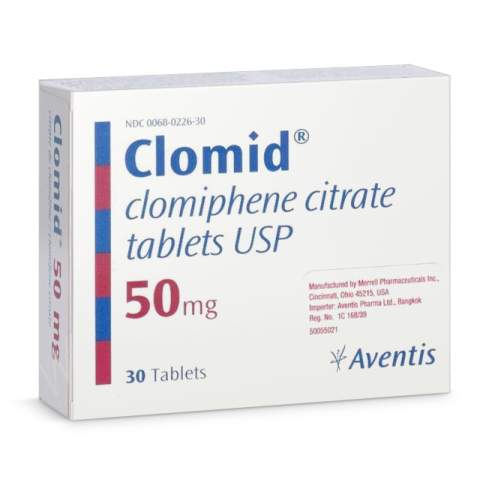
Is Clomid Legal in Australia and Can You Obtain It Without a Prescription?
No, Clomid (clomiphene) is a prescription-only medication in Australia. It is classified as a Schedule 4 (Prescription Only Medicine) by the Therapeutic Goods Administration (TGA). Obtaining or importing Clomid without a valid Australian prescription is illegal and potentially dangerous. Only a registered Australian doctor can prescribe Clomid after a thorough assessment.
Summary Table: Key Facts about Clomid in Australia (2026)
| Parameter | Details (Australia, 2026) |
|---|---|
| Active Ingredient | Clomiphene citrate |
| Main Use | Treatment of certain types of female infertility (mainly anovulatory or oligo-ovulatory cycles) |
| Prescription Status | Prescription-only (Schedule 4 in Australia) |
| Typical Dosage | 50 mg once daily for 5 days starting on cycle day 2–5 (as directed by doctor) |
| Most Common Side Effect | Hot flushes (about 10–20% of patients) |
| Peak Effect | Ovulation typically occurs 5–10 days after last dose |
| Price (2026) | ~$30–$60 AUD per treatment cycle (varies by brand and pharmacy) |
| Covered by PBS? | No, not funded by Pharmaceutical Benefits Scheme (PBS) |
These figures reflect 2026 data and may vary slightly between states and pharmacies.
How Does Clomid Work? Science & Simple Metaphor
Clomid (clomiphene citrate) is a selective oestrogen receptor modulator (SERM). It works by binding to oestrogen receptors in the hypothalamus—a critical brain region that regulates reproductive hormones. By blocking oestrogen’s feedback, Clomid “tricks” the brain into sensing low oestrogen levels.
- This leads to increased release of gonadotropin-releasing hormone (GnRH), which in turn stimulates the pituitary gland to secrete more follicle-stimulating hormone (FSH) and luteinising hormone (LH).
- FSH and LH prompt the ovaries to mature and release eggs (ovulation).
Simple Metaphor: Imagine the reproductive system as a thermostat. Normally, oestrogen “tells” the thermostat when the room is warm enough, so it stops heating. Clomid covers up the sensor—so the “thermostat” (hypothalamus) thinks it’s still cold and cranks up the heat (hormones) to trigger ovulation.
Clomid is only effective if the ovaries are capable of responding to increased FSH and LH. It will not work if the cause of infertility is unrelated to ovulation (e.g., blocked fallopian tubes).
Latest studies (2024–2026) confirm Clomid’s mechanism and effectiveness for WHO Group II anovulation (mainly polycystic ovary syndrome/PCOS), with ovulation rates between 60–80% per cycle.
Source: PubMed
Expert Commentary from doctor
In my clinical practice, one of the most frequent misunderstandings is the expectation that Clomid will “solve” all fertility issues alone. Many women are surprised when ovulation is restored but pregnancy does not occur straight away; it’s vital to remember that Clomid addresses only ovulatory dysfunction. Equally important is timing intercourse correctly and ensuring other causes (like tubal patency or partner’s sperm quality) are investigated. Another common pitfall is self-adjusting the dose, which can increase side effects or reduce effectiveness. In Australia, we also have a growing issue with patients sourcing clomiphene from unregulated websites—these products may be counterfeit or contaminated. I always ensure my patients know that a specialist fertility assessment is necessary before starting, and ongoing monitoring is crucial for both safety and success.
Clomid Dosage Instructions: How To Take It Safely
Standard Dosage
- Starting dose is typically 50 mg once daily for 5 consecutive days. Most often, the first dose is taken on day 2–5 of the menstrual cycle.
- If ovulation does not occur, the dose may be increased to 100 mg daily for 5 days in the next cycle, but the maximum daily dose should never exceed 150 mg.
- Maximum recommended cycles: No more than six cycles in total, due to diminishing returns and potential risks (such as ovarian hyperstimulation or cysts).
Duration and Peak Effect
- Ovulation usually occurs 5–10 days after the last Clomid tablet.
- If a period occurs, the next course can begin as directed by your fertility specialist.
Special Populations
- Elderly patients: Not indicated; Clomid is not recommended beyond typical reproductive age (generally up to early 40s).
- Hepatic impairment: Use with extreme caution; contraindicated in significant liver disease.
- Renal impairment: No specific dose adjustment is recommended, but close monitoring is advised.
Tablets should be swallowed whole with water; do not split, crush or chew unless specifically instructed by your pharmacist.
Always follow your fertility specialist’s instructions exactly.
Clomid and Your Lifestyle: Food, Alcohol, and Daily Routines
- Should I take Clomid with food?
- Clomid can be taken with or without food. Taking it with a light meal may help reduce stomach upset. High-fat meals do not significantly impact absorption.
- Can I drink alcohol while on Clomid?
- It’s recommended to limit or avoid alcohol during treatment. Alcohol may increase the risk of hot flushes, dizziness, and can impact liver metabolism. A standard drink (10g alcohol) occasionally is unlikely to cause harm, but heavy drinking is discouraged.
- Does grapefruit juice interact with Clomid?
- There are no clinically significant interactions between grapefruit juice and clomiphene reported. However, since grapefruit affects the metabolism of several medicines, err on the side of caution and discuss with your pharmacist.
- What about caffeine?
- Moderate caffeine intake is considered safe but excessive amounts may worsen side effects like irritability or insomnia.
- Can I exercise or drive while on Clomid?
- Most women can continue daily activities, but if you experience visual disturbances, dizziness, or mood changes, avoid driving or operating machinery until these effects resolve.
Bottom line: Clomid fits into most daily routines, but moderation is key—especially with alcohol and stimulants.
Who Should Not Take Clomid? Absolute and Relative Contraindications
Absolute Contraindications (Never Use)
- Liver disease (current or past): clomiphene is metabolised in the liver.
- Pregnancy: Known or suspected (may harm foetus).
- Ovarian cysts not due to polycystic ovary syndrome (PCOS): Increases risk of further enlargement.
- Unexplained vaginal bleeding: Must be investigated before commencing Clomid.
- Hormone-dependent tumours: (e.g. breast, ovarian, uterine cancer).
- Severe visual impairment: Clomid can worsen certain vision disturbances.
Relative Contraindications (Use With Caution)
- Polycystic ovary syndrome with high risk of ovarian hyperstimulation: Requires very close monitoring.
- Thyroid or adrenal dysfunction: Should be corrected before use.
- Mild-moderate depression or psychiatric illness: Mood changes may worsen.
- Breastfeeding: Not recommended as hormone levels may be affected and safety is unestablished.
Always discuss your complete medical history with your fertility specialist.
Why these exclusions? Most relate to drug metabolism (liver), risk of serious side effects (ovarian cysts, vision), or underlying conditions that would worsen with hormone changes.
What Side Effects are Most Common with Clomid?
| Frequency | Side Effect | Mechanism/Notes |
|---|---|---|
| Very Common (>1 in 10) | Hot flushes | Vasodilation from hormonal changes |
| Common (1 in 100–1 in 10) | Abdominal bloating, pelvic discomfort | Ovarian stimulation/increased follicular growth |
| Headache | Hormonal fluctuations | |
| Breast discomfort | Hormonal effects on mammary tissue | |
| Mood swings, irritability | Oestrogen receptor modulation in brain | |
| Uncommon (1 in 1,000–1 in 100) | Visual disturbances (blurred vision, spots) | Possible retinal changes; usually reversible, may rarely persist |
| Rare (1 in 10,000–1 in 1,000) | Ovarian cyst formation, ovarian hyperstimulation syndrome (OHSS) | Excessive ovarian response; potentially serious, needs urgent medical attention |
| Severe allergic reaction (rash, swelling) | Immediate discontinuation required | |
| Very Rare | Liver dysfunction, jaundice | Discontinue and seek medical care |
| Seizures | Extremely rare, more likely in those with a personal or family history |
What to Do if You Experience Side Effects:
- Mild effects (e.g., hot flushes, mild headache): Often resolve on their own. Discuss with your doctor if persistent.
- Severe or unusual symptoms (visual changes, severe abdominal pain, allergic reaction): Stop Clomid immediately and seek urgent medical advice.
- OHSS (Ovarian hyperstimulation): Signs include severe pelvic pain, rapid weight gain, shortness of breath—this is a medical emergency. Call 000 or present to your nearest Emergency Department.
In short: Most side effects are mild and temporary, but a small risk of serious complications exists—prompt medical attention is critical if these occur.
Common Patient Mistakes Observed by doctor
- Taking extra doses “just in case”. Some believe more tablets will speed up ovulation or boost pregnancy chances. In reality, higher doses increase risks without added benefit. Always stick to the prescribed dose.
- Not timing intercourse correctly. Clomid triggers ovulation but conception also depends on timing. Sperm should be present in the reproductive tract around ovulation—usually between day 12–16 of the cycle. Use ovulation predictor kits or follow your doctor’s instructions.
- Stopping follow-up appointments. Monitoring is vital to detect rare complications like OHSS. Skipping ultrasounds or blood tests puts you at risk.
- Using leftover or online-acquired tablets. Medications from non-pharmacy sources may be expired, counterfeit, or have the wrong dosage. Only use TGA-approved Clomid supplied by an Australian pharmacy.
- Ignoring changes in vision or severe pain. These are warning signs—delaying medical review can lead to lasting harm.
Clomid vs Alternatives: Which Is Best for You?
| Medication | Main Use | Onset of Action | Pregnancy Rate (per cycle) | Side Effects | Cost per Cycle (AUD) |
|---|---|---|---|---|---|
| Clomid (Clomiphene) | Anovulatory infertility (PCOS, unexplained) | Ovulation typically 5–10 days post-last dose | 16–22% | Hot flushes, mood swings, ovarian cysts (rare) | $30–$60 |
| Letrozole | Anovulatory infertility, especially PCOS | Similar to Clomid | 19–27% (some studies show higher rates for PCOS) | Fatigue, dizziness, mild GI symptoms | $35–$75 |
| Gonadotrophins (FSH/LH injections) | Resistant cases, certain ovulatory disorders | Ovulation within 2–10 days post-injection | Up to 25–30% | OHSS risk, multiple pregnancy, injection site reactions | $600–$1500 |
Letrozole has become the preferred first-line treatment for PCOS-related infertility in some Australian fertility clinics due to higher live-birth rates, but Clomid remains widely used and effective in many cases. Gonadotrophin injections are reserved for more complex cases or where oral agents fail.
Questions Frequently Asked to doctor
- Is it safe to take Clomid for more than six cycles?
- Generally, no. Evidence suggests that if pregnancy hasn’t occurred after 6 cycles, the likelihood of success drops and risks increase (e.g., ovarian cysts, possible long-term effects). Your specialist will discuss alternative options after this point.
- Can Clomid cause twins or multiple pregnancies?
- Yes, the risk of twins is approximately 8–10%, higher than in natural cycles. The chance of triplets or more is much lower (<1%), but still higher than usual. This risk is discussed before treatment.
- What should I do if I miss a dose?
- Take it as soon as you remember if it’s on the same day. If it’s the next day or later, skip the missed dose and continue as normal—do not double up. Always inform your doctor.
- Will Clomid affect my mood?
- Some women experience mood swings, irritability, or mild depression. If you notice significant changes, inform your doctor—dose adjustments or alternative therapies may be necessary.
- Can I take Clomid if I have mild liver problems?
- No. Clomid is contraindicated in current or past significant liver disease. Mild abnormalities should be discussed with your specialist and may require alternative treatments.
- Is Clomid suitable after age 40?
- Clomid is less effective as ovarian reserve declines with age. In women over 40, success rates are lower and risks may be higher. Alternative therapies or IVF may be recommended depending on your situation.
- Can I use herbal supplements or vitamins with Clomid?
- Most supplements are safe, but some (like phytoestrogens) may interfere with action. Always disclose all supplements to your doctor or pharmacist before starting treatment.
Key Characteristics of Clomid: At a Glance
| Parameter | Clomid (clomiphene) |
|---|---|
| Class | SERM (Selective Oestrogen Receptor Modulator) |
| Main Indication | Female infertility due to anovulation |
| Typical Starting Dose | 50 mg daily for 5 days |
| Max Dose | 150 mg daily |
| Course Duration | Up to 6 cycles |
| Time to Ovulation | 5–10 days after last dose |
| Metabolism | Liver (CYP2D6 and CYP3A4) |
| Elimination | Faeces (mainly), urine |
| Half-life | 5–7 days (active metabolites may persist longer) |
| Driving/Machinery | Avoid if experiencing vision changes or dizziness |
How To Legally Obtain Clomid in Australia: Step-by-Step Guide
- Consult a specialist: Make an appointment with your GP or a fertility specialist (in-person or via telehealth).
- Assessment and investigations: Your doctor will take a medical history, may order hormone tests and pelvic ultrasound, and check your partner’s fertility.
- Prescription: If Clomid is appropriate, your doctor will provide a prescription (electronic or paper, valid throughout Australia).
- Obtain from a licensed pharmacy: Present your prescription at an Australian pharmacy (in person or through an approved online pharmacy with real pharmacist oversight).
- Follow specialist guidance: Carry out scheduled monitoring (ultrasounds, blood tests) as advised.
- Never buy from unregulated websites: Only use pharmacies approved by the Pharmacy Board of Australia or the TGA. Counterfeit medicines are common on overseas sites.
Telehealth consultations are widely available in all Australian states and can expedite the process, but a face-to-face visit may be required for initial assessment.
Buying Clomid Online in Australia: What’s Legal, What’s Not?
- Legal: Purchasing Clomid from an Australian-registered online pharmacy with a valid prescription. Look for an Australian pharmacy license number and TGA compliance.
- Illegal: Buying Clomid from overseas websites without a prescription. You risk customs seizure, legal penalties, and exposure to counterfeit or unsafe products.
- Patient Protection: Prescription requirements exist to ensure proper diagnosis, dosing, and monitoring—protecting your health, not just regulating sales.
- How to check a pharmacy: Use the Pharmacy Board of Australia register or TGA website to verify legitimacy.
- Warning sign: If a website offers Clomid without a prescription, it is breaking Australian law and the product is likely counterfeit or unsafe.
Myth vs Reality: Myth: “Online pharmacies are always cheaper and just as safe.” Reality: Only regulated Australian pharmacies guarantee product safety and legal protection.
How To Identify Genuine vs Counterfeit Clomid in Australia
- Original Clomid packaging: Comes in a sealed box with blister packs, batch number, expiry date, and manufacturer details (e.g., Sanofi Aventis or registered generic equivalent).
- Australian Pharmacy Label: All prescriptions dispensed in Australia carry a white label with your name, pharmacy details, and dosage instructions.
- No stickers, holograms, or QR codes are required by the TGA as of 2026, but some manufacturers include QR codes for information or authenticity.
- Tablets: Usually small, white, round, may have a score line and “CLOMID” or “50” imprint depending on manufacturer.
- Suspicious signs: Misspelled labels, inconsistent packaging, no batch number or expiry, price far below standard Australian pharmacy prices.
- Generics: Approved generics (e.g., clomiphene by Apotex, Sandoz) must meet the same TGA standards and are equally effective, though shape or markings may differ.
Quality Check: If in doubt, take your medication to an Australian pharmacist for verification.
Compatibility Checklist: Clomid and Other Medications or Foods
| Product | Can it be combined? | Potential Consequence |
|---|---|---|
| Paracetamol | Yes | No significant interaction |
| Ibuprofen | Yes (short-term) | Safe short-term; avoid chronic use without medical advice |
| Letrozole | No | Should not be used simultaneously; may confuse ovulation induction process |
| Oral contraceptives | No | Block clomiphene effect; should be stopped before Clomid use |
| Alcohol | Limit | May increase side effects or affect liver function |
| Grapefruit Juice | Unlikely, but caution | No known major interaction; discuss with pharmacist |
| Traditional herbal supplements | Varies | Some (e.g. phytoestrogens) may interfere; disclose all use |
What To Do in Case of Clomid Overdose
- Stop taking Clomid immediately.
- Contact the Poisons Information Centre (13 11 26) or call 000 for emergency assistance.
- Inform the medical team: Tell them exactly how many tablets you have taken, when, and whether you have any symptoms.
- Bring the medicine box or leaflet with you to hospital if possible.
Overdose symptoms may include nausea, vomiting, hot flushes, visual disturbances, and abdominal pain. Severe cases may require hospital monitoring.
Is Clomid Safe for All Patient Groups?
- Women with PCOS: Clomid is often first-line but requires ultrasound monitoring to avoid OHSS.
- Older women (>40): Lower efficacy; discuss alternatives such as gonadotrophins or IVF with your doctor.
- Liver or kidney impairment: Not recommended in significant hepatic dysfunction. Use caution in renal impairment.
- Breastfeeding: Not advised due to lack of safety data and theoretical risk to the infant.
- Men: Clomid is occasionally used off-label for male infertility, but this guide focuses on approved female indications.
Does it affect driving? Most users can drive, but if you experience blurred vision or severe dizziness, do not drive or operate machinery until symptoms resolve.
Clomid Original vs Generic: Which Should You Choose?
- Original Clomid: Manufactured by Sanofi Aventis; long history of use and research.
- Generic clomiphene: Produced by several TGA-approved companies (e.g. Apotex, Sandoz). Contains the same active ingredient; differences relate to fillers, tablet appearance, and packaging.
- Cost: Generics are often 20–40% less expensive than original Clomid—expect ~$30–$45 per cycle.
- Safety: Both must pass TGA bioequivalence standards and are equally effective. Allergic reactions to fillers are rare but possible—discuss with pharmacist if you have known sensitivities.
Bottom line: For most Australians, generics are a safe, effective, and cost-saving alternative to branded Clomid. Choose as advised by your doctor or pharmacist.
Managing Female Infertility: Emotional and Psychological Support
Facing infertility is challenging and can affect emotional wellbeing. Remember: you are not alone. Many Australian women (and couples) struggle with fertility, and support is available—whether through your fertility clinic, a psychologist, or peer groups.
Tip: Discuss your treatment openly with your partner, and don’t hesitate to seek help if you feel overwhelmed. Fertility is a journey—there’s no shame in asking for support.
Professional Opinion of doctor
In my experience, Clomid is most beneficial for women with ovulatory dysfunction—especially those with PCOS or unexplained anovulation—who still have reasonably good ovarian reserve. Its advantages are low cost, convenient oral administration, and a long track record of safety in the right hands. However, it’s not a “magic bullet.” Success rates plateau after several cycles, and careful monitoring is vital to avoid rare but serious complications like ovarian hyperstimulation. For those who don’t respond or who have additional fertility factors (tubal issues, severe male factor infertility, diminished ovarian reserve), alternatives like letrozole, gonadotrophins, or IVF may be more appropriate. The key is an individualised approach—balancing benefits, risks, and patient preferences after thorough specialist assessment.
Frequently Asked Questions (FAQ)
- Do I need a prescription for Clomid in Australia?
- Yes. Clomid is prescription-only. You must see an Australian doctor for assessment and a legal prescription.
- Can I buy Clomid from overseas websites?
- No. Importing Clomid without a prescription is illegal and risky. Australian customs may seize shipments, and overseas products may be counterfeit.
- How much does a typical Clomid cycle cost?
- Expect to pay $30–$60 AUD per cycle at an Australian pharmacy. Prices may vary by brand and location.
- Is Clomid covered by Medicare or the PBS?
- As of 2026, Clomid is not subsidised by the Pharmaceutical Benefits Scheme.
- How quickly will I ovulate after starting Clomid?
- Usually, ovulation occurs 5–10 days after the last dose in a cycle.
- What is the risk of twins with Clomid?
- About 8–10%, higher than natural conception. Triplets or more are rare (<1%).
- Can I drink alcohol while taking Clomid?
- You should limit alcohol. Occasional light drinking is unlikely to interfere, but heavy alcohol use is discouraged.
- What alternatives exist if Clomid doesn’t work?
- Letrozole, gonadotrophin injections, or IVF may be considered. Your specialist will recommend the best option.
- How can I tell if my Clomid is genuine?
- Only use Clomid dispensed by an Australian pharmacy, check the packaging, and consult your pharmacist if unsure.
- What happens if I miss a dose?
- Take it as soon as possible if the same day. If you miss more than 24 hours, skip and continue as usual. Do not double up.
Sources / References
- Therapeutic Goods Administration (TGA), Australian Government. https://www.tga.gov.au/
- Pharmacy Board of Australia. https://www.pharmacyboard.gov.au/
- National Health and Medical Research Council (NHMRC) Fertility Treatment Guidelines. https://www.nhmrc.gov.au/
- American College of Obstetricians and Gynecologists (ACOG) Practice Bulletin 194: Polycystic Ovary Syndrome. https://www.acog.org/
- Cochrane Database of Systematic Reviews: “Clomiphene or Letrozole for Ovulation Induction” https://www.cochranelibrary.com/
- PubMed (Recent studies on clomiphene efficacy, safety, and mechanism, 2024–2026). https://pubmed.ncbi.nlm.nih.gov/
- The Royal Australian and New Zealand College of Obstetricians and Gynaecologists (RANZCOG) Guidelines. https://ranzcog.edu.au/
- Mayo Clinic: Clomiphene Overview. https://www.mayoclinic.org/drugs-supplements/clomiphene-oral-route/description/drg-20067435

