
- Home/
- Buy Zithromax in Online Pharmacy for Australia Users
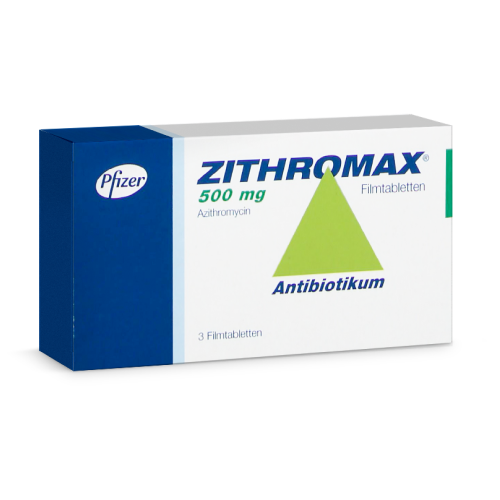
This article is for informational purposes only. Medication use is only possible after consultation with a doctor. Self-medication can be dangerous and may result in serious harm. Always seek medical advice before starting or stopping any treatment.
Can you get Zithromax without a prescription in Australia?
No, Zithromax (azithromycin) cannot be purchased without a prescription in Australia. Under Australian law, Zithromax is a Schedule 4 (Prescription Only) medication regulated by the Therapeutic Goods Administration (TGA). Purchasing or possessing it without a valid prescription is illegal and may be dangerous to your health due to the risk of counterfeit products and inappropriate use.
Key facts about Zithromax in Australia
- Active ingredient: Azithromycin
- Drug category: Macrolide antibiotic
- Prescription required in Australia: Yes (Schedule 4 medication)
- Main uses: Bacterial infections such as respiratory tract infections, some sexually transmitted infections (STIs), skin infections, and others
- Typical onset of action: 24 to 48 hours
- Main contraindication: Known allergy to macrolide antibiotics, history of certain heart rhythm problems
- Current average price (2026): $18–$40 AUD for a standard 3–5 day course (varies by pharmacy and region)
- Covered by public healthcare: Often covered under the Pharmaceutical Benefits Scheme (PBS) for approved indications
How does Zithromax work in the body?
Zithromax contains azithromycin, which belongs to the macrolide class of antibiotics. Its primary mechanism involves binding to the 50S ribosomal subunit of susceptible bacteria. By attaching here, it blocks the synthesis of essential proteins needed for bacterial growth and reproduction. Without the ability to make these proteins, the bacteria can no longer multiply and are eventually destroyed by the body’s immune system.
Metaphor: Imagine bacteria as a factory. Zithromax is like a skilled technician who disables the assembly line, stopping production altogether. Without new parts, the factory (bacteria) grinds to a halt.
Unlike some antibiotics, azithromycin is notable for its extended half-life and concentration in certain tissues, allowing for shorter treatment courses and once-daily dosing in most cases.
Myth vs Reality:
- Myth: Zithromax works instantly.
- Reality: It can take 24–48 hours for symptoms to improve, as the body needs time to clear the bacteria even after their reproduction is halted.
References: Australian Medicines Handbook (2025), TGA guidelines, and recent clinical trials (PubMed).
Expert Commentary from doctor
In practice, I often see patients expecting antibiotics like Zithromax to deliver instant relief. A common mistake is stopping the medication too early when symptoms improve, which risks incomplete eradication of the bacteria and increases resistance. It’s crucial to finish the prescribed course, even if you feel better. Another point: Zithromax is not effective against viral infections such as the common cold or influenza. Misuse in these scenarios can fuel antibiotic resistance. Always confirm the diagnosis with your doctor, and never share leftover antibiotics with family or friends.
How should Zithromax be taken? Dosage, timing, and special considerations
Zithromax is available as tablets, capsules, and oral suspensions in Australia. The standard dosing varies by indication:
- Respiratory tract infections and skin infections: 500 mg once daily on day 1, then 250 mg once daily on days 2–5 (total 5 days).
- Some STIs (e.g., chlamydia): Single 1-gram (1000 mg) dose.
- Paediatric dosing: Calculated by body weight—your doctor will advise.
Maximum recommended daily dose: Do not exceed 500 mg per day (except for the single-dose STI protocol).
Zithromax may be taken with or without food. However, taking it with food may reduce stomach upset. The absorption is slightly reduced with high-fat meals, but not enough to affect results significantly. The tablet should be swallowed whole and not split or crushed unless specifically advised by your doctor.
Special populations:
- Elderly: No routine dose adjustment, but increased risk of heart rhythm disturbances (QT prolongation).
- Renal impairment: Caution required for severe kidney disease (consult a specialist).
- Hepatic impairment: Avoid in severe liver dysfunction.
When does it start working? Most patients notice improvement within 48 hours.
How long does it stay in the body? Azithromycin has a long half-life (up to 68 hours), which supports its once-daily dosing and short course.
Can I take Zithromax with food, alcohol, or other products?
- With food:
- Yes, you can take Zithromax with or without food. Taking with food may help reduce stomach upset.
- Fatty meals:
- High-fat foods may slightly decrease absorption but the clinical effect is usually not significant. No need to alter your diet.
- Alcohol:
- Alcohol is not strictly prohibited, but it is best avoided during antibiotic treatment as it may worsen stomach side effects and interfere with your body’s recovery.
- Grapefruit juice:
- No clinically significant interaction is currently reported, but moderation is always advisable as grapefruit can affect the metabolism of other medications.
- Probiotics:
- May help reduce the risk of diarrhoea, but should be taken several hours apart from antibiotics.
Bottom line: Take Zithromax as prescribed, preferably at the same time each day. Avoid excessive alcohol and discuss all other medications and supplements with your doctor.
Compatibility Check: Zithromax with common products
| Product | Can it be combined? | Potential Consequence |
|---|---|---|
| Paracetamol (Panadol) | Yes | No significant interaction |
| Ibuprofen | Yes | No significant interaction |
| Warfarin | With caution | May increase bleeding risk; monitor INR |
| Simvastatin | With caution | May increase risk of muscle pain |
| Contraceptive pill | Yes | No clinically meaningful interaction |
| Alcohol | Best avoided | May worsen stomach upset |
| Grapefruit juice | Yes, in moderation | No significant interaction known |
Always check with your pharmacist or doctor before combining medications.
Who should not take Zithromax?
- Absolute contraindications (Never use):
-
- Known allergy to azithromycin, erythromycin, clarithromycin, or other macrolide antibiotics
- History of severe liver dysfunction with prior macrolide use
- Known history of cholestatic jaundice or hepatic impairment from azithromycin
- Relative contraindications (Use with caution):
-
- Known prolongation of the QT interval (heart rhythm disorder)
- Concurrent use of medications that can prolong the QT interval (e.g., amiodarone, sotalol, some antipsychotics)
- Severe kidney disease (eGFR <10 mL/min)
- History of myasthenia gravis
- Pregnancy and breastfeeding (consult your doctor; may be used when benefits outweigh risks)
- Cardiovascular risks:
-
- Azithromycin can cause irregular heart rhythms (torsades de pointes), especially in people with pre-existing heart disease or those taking other QT-prolonging drugs.
Key Point: Always provide your doctor with a complete medication and medical history before starting Zithromax.
What side effects are most common and which are serious?
Understanding side effects helps you know what’s normal and when to get help. Here is a breakdown using the WHO frequency classification:
- Very common (>1 in 10):
-
- Diarrhoea
- Nausea
- Common (1 in 100 to 1 in 10):
-
- Abdominal pain, vomiting, flatulence
- Headache
- Changes in taste
- Uncommon (1 in 1,000 to 1 in 100):
-
- Rash, itching, mild allergic reactions
- Photosensitivity (skin sensitivity to sunlight)
- Rare/Very rare (<1 in 1,000):
-
- Severe allergic reactions (anaphylaxis, angioedema)
- Liver inflammation (hepatitis, cholestatic jaundice)
- Serious heart rhythm changes (QT prolongation, torsades de pointes)
- Hearing disturbances, including reversible hearing loss (mostly at high doses)
What to do if side effects occur?
- Mild symptoms: Continue the medication, monitor at home, and inform your doctor at your next visit.
- Severe symptoms (e.g., difficulty breathing, swelling, severe rash, chest pain, sudden faintness): Stop taking Zithromax and seek urgent medical attention (call 000 in Australia).
Important: Report all side effects to your doctor and through the TGA’s adverse event reporting scheme if needed (TGA).
Common Patient Mistakes Observed by doctor
- Stopping the course early when symptoms improve: This allows bacteria to survive and may promote resistance. Always finish the course unless told otherwise.
- Using Zithromax for viral infections: Antibiotics do not treat viruses. Misuse can contribute to resistance and unnecessary side effects.
- Sharing antibiotics with others: What works for one person may not be suitable for another and can cause harm or delay correct diagnosis.
- Taking antacids at the same time: Antacids containing aluminium or magnesium can interfere with absorption. Separate by at least 2 hours.
- Forgetting to mention all other medications: Some interactions (e.g., with warfarin, statins) can be serious. Always provide a full list to your doctor or pharmacist.
How does Zithromax compare to alternatives in Australia?
| Medication | Main Use | Typical Course | Onset of Action | Common Side Effects | Average Price (AUD, 2026) |
|---|---|---|---|---|---|
| Zithromax (Azithromycin) | Respiratory, skin, STIs | 3–5 days | 24–48 hours | Nausea, diarrhoea, rash | $18–$40 |
| Amoxycillin | Respiratory, ear, sinus | 7–10 days | 24–48 hours | Rash, diarrhoea, allergy | $6–$16 |
| Doxycycline | Respiratory, acne, STIs | 7–10 days | 24–48 hours | Photosensitivity, GI upset | $5–$20 |
| Clarithromycin | Respiratory, skin | 7–14 days | 24–48 hours | Taste changes, GI upset | $13–$30 |
In short: Zithromax stands out for its short course and once-daily dosing, but may be more expensive than generic alternatives. Always choose the antibiotic best suited to your specific infection and personal health profile.
Key characteristics of Zithromax: Quick reference table
| Parameter | Value |
| Active ingredient | Azithromycin |
| Drug class | Macrolide antibiotic |
| Available forms | Tablets, capsules, oral suspension |
| Standard adult dose | 500 mg on day 1, then 250 mg daily (days 2–5) |
| Half-life | ~68 hours |
| PBS coverage | Yes, for approved uses |
| Prescription required | Yes |
How to obtain Zithromax legally in Australia: Step-by-step
- Consult a doctor: Book an appointment with your GP or use a licensed telehealth service (e.g., in Sydney, Melbourne, Brisbane, or regional centres).
- Assessment and diagnosis: The doctor will discuss your symptoms, review your medical history, and may request tests to confirm a bacterial infection.
- Prescription issued: If indicated, your doctor will prescribe Zithromax, usually electronically or as a paper prescription.
- Dispensing at a pharmacy: Take your prescription to any registered community pharmacy or order from an approved online pharmacy with a valid Australian address.
- Follow-up: Complete the course as directed. Arrange a follow-up if symptoms worsen or do not resolve.
Tip: Registered online pharmacies in Australia display a TGA-authorised logo. If you are unsure, confirm the legitimacy via the TGA website.
Can I buy Zithromax online in Australia? How to spot counterfeits
Buying Zithromax from a pharmacy website without a doctor’s prescription is illegal in Australia and exposes you to a high risk of counterfeit or substandard medication. Counterfeit drugs may contain the wrong ingredient, incorrect doses, or harmful contaminants.
How to identify genuine Zithromax:
- Packaging: Official Zithromax boxes are sealed, properly labelled in English, and list the TGA registration number (AUST R).
- Blisters/Tablets: Tablets usually have “Pfizer” or the generic’s company name engraved, are uniform in colour (typically white or light blue for tablets), and are not chipped or misshapen.
- Verification features: Some packs have QR codes or holograms. Scanning the QR can direct you to the manufacturer’s authentication site.
- Price warning: If the price is ‘too good to be true’ or the website does not require a prescription, it is likely counterfeit or illegal.
Generics: Many generic versions of azithromycin are available in Australia and must meet the same TGA quality standards as the original Zithromax. Generics will look different in terms of colour, shape, and packaging, but should always come from a registered Australian pharmacy.
Original vs generic Zithromax: What’s the difference?
Original Zithromax is manufactured by Pfizer and was first introduced in Australia over two decades ago. Since the patent expired, several TGA-approved generic azithromycin products are now available.
Key differences:
- Active ingredient: Identical (azithromycin).
- Excipients (inactive ingredients): May vary slightly, which can rarely affect tolerability in those with allergies to specific dyes or fillers.
- Efficacy and safety: Generics must demonstrate bioequivalence to the original—meaning they work the same in the body.
- Price: Generics are usually cheaper ($12–$25 AUD per course versus $18–$40 for the brand), but the final price may vary based on PBS coverage and pharmacy location.
- Appearance: Packaging, tablet shape, and colour may differ; always check for the AUST R/TGA approval code.
What does this mean for you? For most people, generics are a safe and affordable option. If you have had allergic reactions to other medications in the past, discuss excipient details with your pharmacist.
Is Zithromax safe for special patient groups?
- Pregnancy:
- Generally considered safe if prescribed by a doctor, but only when the benefits clearly outweigh any potential risks.
- Breastfeeding:
- Azithromycin does pass into breast milk in small amounts. Discuss with your doctor; often considered acceptable for short courses.
- Children:
- Paediatric use is common. Dose is calculated by weight. Only use formulations intended for children.
- Elderly patients:
- Generally well tolerated but higher risk of heart rhythm complications. Extra monitoring may be needed.
- Chronic kidney or liver disease:
- Dose adjustment or avoidance may be necessary in severe cases. Discuss with your specialist.
- Operating machinery or driving:
- Rarely, dizziness or drowsiness may occur. Do not drive or operate machinery if affected.
- Fertility:
- No known impacts on fertility at usual doses.
What happens to Zithromax in my body? (Metabolism and elimination)
After you swallow Zithromax, it is absorbed into the bloodstream and distributed widely throughout the body, especially in the lungs, tonsils, and skin. The drug is not extensively metabolised by the liver, but is excreted slowly in the bile, with only about 6% eliminated in urine.
The half-life is long—up to 68 hours—so it remains effective for several days after the last dose. This is the reason for its short treatment courses.
Key consideration: In patients with severe liver or kidney disease, elimination may be delayed, increasing the risk of side effects.
What should I do if I take too much Zithromax?
- Stop taking the medication immediately.
- Contact your doctor or the Poison Information Centre (13 11 26) for advice.
- If you experience severe symptoms (vomiting, hearing loss, heart palpitations, severe dizziness), call 000 for emergency help and inform medical staff of the amount and timing of the dose taken.
- Keep the packaging and remaining tablets to show healthcare providers.
Note: There is no specific antidote. Treatment is supportive.
Psychological support for patients needing antibiotics
If you are prescribed an antibiotic such as Zithromax, remember: many Australians face similar infections every year. It’s common to feel anxious about taking antibiotics, but most side effects are mild and short-lived. If you have concerns, discuss them openly with your GP or pharmacist. For some conditions, consider talking with your partner or support person—managing infection is a shared journey, and you’re not alone.
Professional Opinion of doctor
From my clinical perspective, Zithromax (azithromycin) offers a practical solution for many common bacterial infections, thanks to its short course, predictable effects, and convenient dosing. Patients who are allergic to penicillins or need an antibiotic with a lower risk of gastrointestinal upset often benefit. However, I remain cautious in prescribing it for those with existing heart rhythm concerns or significant liver disease, and I always reinforce the importance of finishing the full course to prevent resistance. There are situations—such as some sinus infections or urinary tract infections—where alternative antibiotics may be more effective. Ultimately, the decision should always be guided by clinical diagnosis, local resistance patterns, and the patient’s overall health status.
Questions Frequently Asked to doctor
- Is it safe to take Zithromax if I am allergic to penicillin?
- Yes, Zithromax belongs to a different antibiotic class than penicillins, so cross-allergy is uncommon. Still, always inform your clinician of all allergies.
- What should I do if I forget a dose?
- Take it as soon as you remember, unless it’s almost time for your next dose. Do not double up. Resume your regular schedule the next day.
- Can I drink alcohol while on Zithromax?
- Moderate alcohol is not strictly forbidden, but it can worsen stomach side effects and delay recovery. Best avoided until the course is finished.
- Will Zithromax affect my contraception?
- No, azithromycin does not reduce the effectiveness of hormonal contraceptives.
- How fast does Zithromax work?
- Most people notice improvement within 48 hours after starting treatment. If you don’t, consult your doctor.
- Is it safe for children?
- Yes, when prescribed at the correct dose for their weight and indication.
- Can I drive or work while taking Zithromax?
- Most people have no issues, but if you experience dizziness or drowsiness, don’t drive or operate heavy machinery.
FAQ: Zithromax in Australia
- Is Zithromax available without prescription in Australia?
- No, it is a prescription-only medicine regulated by the TGA.
- How much does a course of Zithromax cost in Australia?
- Typically $18–$40 AUD per course depending on form and pharmacy; generics may be cheaper.
- How long does it take for Zithromax to start working?
- Most patients notice improvement within 24–48 hours after starting therapy.
- Can I stop taking Zithromax if my symptoms disappear?
- No. Complete the full prescribed course even if you feel better to prevent resistance and relapse.
- What do I do if I have side effects from Zithromax?
- For mild effects, continue and inform your doctor. For severe symptoms (allergic reaction, chest pain), seek emergency care immediately.
- Does Zithromax treat viral infections like colds or COVID-19?
- No, Zithromax is not effective against viruses. It is only prescribed for confirmed or highly suspected bacterial infections.
- Is Zithromax covered by Medicare or PBS in Australia?
- Azithromycin is listed on the PBS for specified indications. Check with your pharmacist regarding your eligibility.
- Can I order Zithromax from overseas websites?
- No. Importing prescription medicines for personal use without TGA approval is illegal and unsafe due to counterfeit risks.
Sources / References
- Therapeutic Goods Administration (TGA), Australian Government. https://www.tga.gov.au/
- Australian Medicines Handbook, 2025 edition. https://amhonline.amh.net.au/
- Pharmaceutical Benefits Scheme (PBS). https://www.pbs.gov.au/
- Pfizer Australia (Official Zithromax brand manufacturer). https://www.pfizer.com.au/
- PubMed, recent studies on azithromycin efficacy and safety. https://pubmed.ncbi.nlm.nih.gov/
- Mayo Clinic: Azithromycin overview. https://www.mayoclinic.org/drugs-supplements/azithromycin-oral-route/description/drg-20072364
- National Prescribing Service (NPS MedicineWise). https://www.nps.org.au/
- Clinical guidelines, Royal Australian College of General Practitioners (RACGP). https://www.racgp.org.au/
- World Health Organization (WHO) Model List of Essential Medicines. https://www.who.int/teams/health-product-and-policy-standards/essential-medicines-lists

